
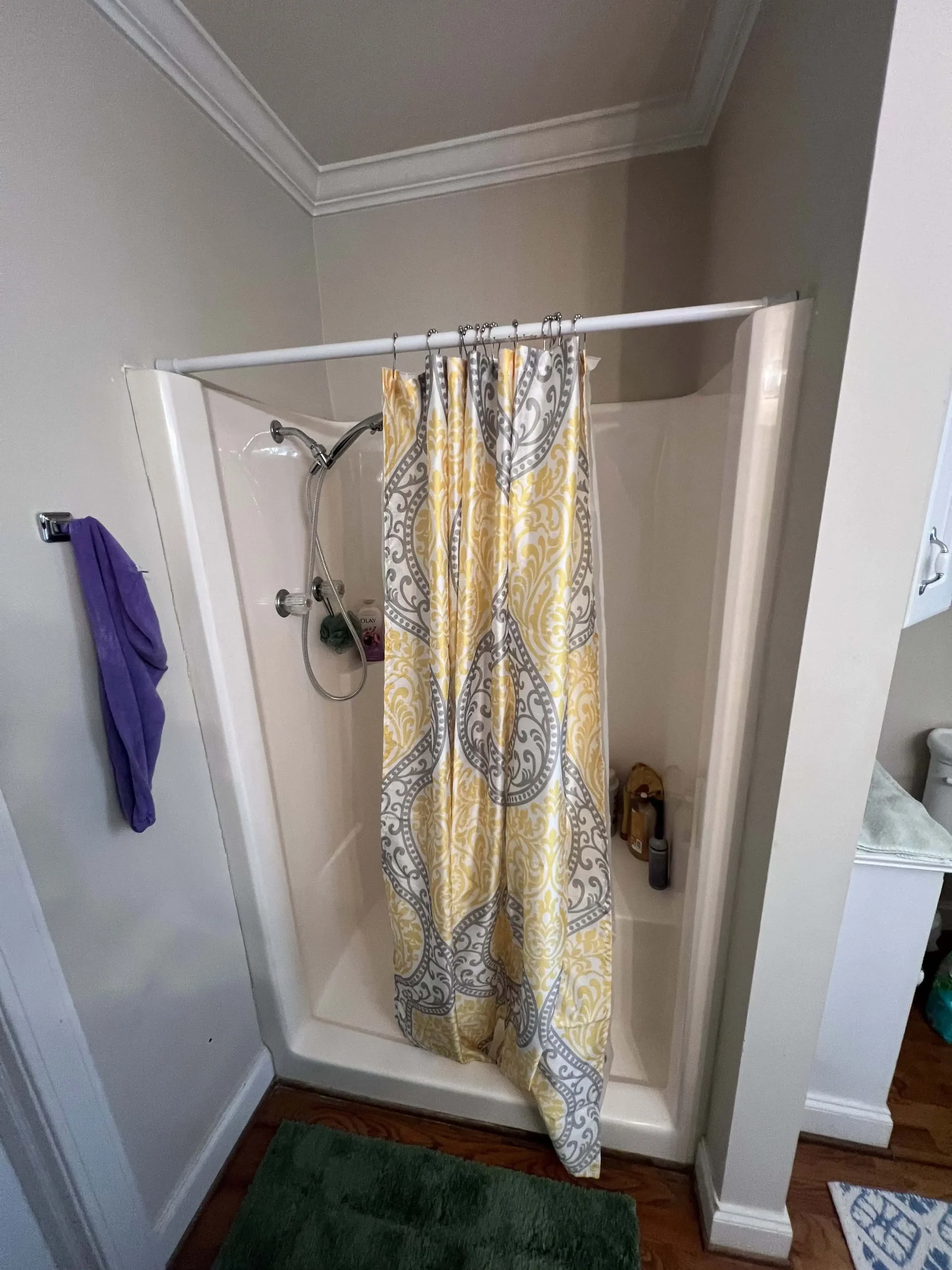
Many homeowners notice their bathroom feels out of step with contemporary design and function, and an outdated bathroom can affect daily comfort and long term value. The look of a bathroom can make a house feel older than it is, and the reasons are often a mix of visible wear, poor layout, and features that no longer meet modern expectations. Understanding the specific cues that create that dated feeling is the first step toward thoughtful updates.
When a bathroom feels outdated, it is not just an aesthetic issue. Fixtures that are hard to clean, tiles with stained grout, weak lighting, or a tub that no one uses can make a room feel inefficient and unpleasant to use. These friction points add up to stress every time someone uses the space, and they can also complicate a future sale or renovation.
This article breaks down the common indicators of an outdated bathroom and offers clear ways to modernize without wholesale demolition. It covers materials, layout, lighting, and useful bathroom remodel ideas, plus practical context about accessibility and resale value to help prioritize upgrades.
Design Features That Can Make a Bathroom Look Dated
Color, finishes, and dated styling are the quickest ways a bathroom reads as old. Outmoded colors like avocado, harvest gold, or dense wallpaper patterns still anchor some bathrooms to past decades. When paint, tile patterns, and hardware contradict current trends, the entire room looks older regardless of how well maintained it is.
A related problem is when fixtures do not match each other or the rest of the home. Mixed metal finishes, outdated cabinetry, and mismatched vanities create a visual clutter that signals an outdated bathroom. Even small changes, like replacing a faucet or updating cabinet pulls, can reframe the whole aesthetic when chosen to coordinate with a more modern palette.
Outdated Bathroom Materials and Fixtures
Porous and high-maintenance surfaces age a space more quickly than durable, low-maintenance alternatives. Old tile with failing grout, laminate counters that chip, and worn tubs with surface discoloration show age and invite mold and staining problems. These issues are visible and they undermine the sense of cleanliness most homeowners want from a bathroom.
Plumbing fixtures and finishes also matter. Heavy brass or polished gold that has gone out of style, wall-mounted medicine cabinets with dated lights, and single-function faucets are all signs of an outdated bathroom. Replacing these elements with simpler, more neutral finishes and water-efficient fixtures will update the look and improve functionality without changing the room layout.
Bathroom Layout and Accessibility Problems
A cramped or awkward layout makes a bathroom feel old-fashioned even if the finishes are new. Long, narrow baths with an unused tub at the far end, small vanities that lack storage, and doors that swing into tight spaces create friction. These functional shortcomings were common in older homes and remain a primary reason a bathroom feels stuck in the past.
Conversions that prioritize usability can change the perception of the room. A tub-to-shower conversion can open floor space and make a bathroom feel more contemporary and accessible when the tub is no longer used. Thoughtful placement of storage, a switch to an efficient shower footprint, and better circulation between fixtures can make the space feel modern and more comfortable to use.
Poor Lighting and Ventilation Can Make a Bathroom Feel Older
Poor lighting and inadequate ventilation make a bathroom feel dingy and dated. Many older bathrooms were designed with a single overhead fixture or a small window, which can leave key zones like the vanity in shadow and make the ceiling feel low. Inadequate ventilation causes lingering moisture that accelerates wear and can discolor paint, grout, and trim.
Modern bathroom upgrades often focus on layered lighting and improved airflow. Bright, warm task lighting over the vanity plus softer ambient sources help the room feel larger and more inviting. Proper ventilation prevents moisture damage and keeps surfaces cleaner, which supports both aesthetics and longevity.
How Colors and Finishes Affect the Look of a Bathroom
Finishes and color palettes set the tone for whether a space feels contemporary or dated. Cool neutrals, soft whites, and subtle textures generally read as modern, while high-contrast patterns and heavy ornamentation tend to lock a room into an earlier era. The scale and proportion of tile, the grain of wood cabinetry, and the finish on metals all contribute to how up-to-date a bathroom feels.
Styling decisions also extend to small items that accumulate over time. Outdated trim profiles, heavy molding, and ornate vanity doors can be the final details that make a bathroom look old. Selecting simpler trim, streamlined cabinetry, and low-profile hardware can refresh the look without a full renovation, and are common bathroom remodel ideas for homeowners seeking a faster aesthetic update.
Which Bathroom Upgrades Should You Prioritize?
Prioritizing functional updates and durable finishes typically gives the best balance of daily comfort and resale value. Buyers respond well to bathrooms that look modern, are easy to maintain, and have sensible layouts that meet current expectations for accessibility and storage. Practical upgrades that reduce maintenance and improve usability often deliver strong returns.
Data show that bathroom remodels yield significant returns in terms of boosting your home’s resale value. Paired with that, midrange improvements that address key experience factors like moisture control, lighting, and functional fixtures tend to be the most cost-effective. When planning, consider combining targeted cosmetic changes with one or two functional upgrades to modernize the room and enhance appeal.
Walk-In Showers and Tubs for a More Modern Bathroom
Converting an unused tub into an accessible shower or installing a walk-in tub can immediately change how a bathroom is used and perceived. Walk-in shower installation provides level entry, easier cleaning, and a streamlined look that fits many contemporary design approaches. These installations also respond to aging-in-place needs and simplify daily routines for people with mobility concerns.
Designers often use low-threshold showers and clear glass enclosures to open visual space and create a cleaner sightline across the room. For homeowners looking to keep a bathing option but improve safety and accessibility, walk-in tubs provide a different set of benefits. Both options can be part of bathroom remodel ideas aimed at long term usability and a modern, less cluttered appearance.
Bathroom Remodel Ideas Without a Full Renovation
Targeted changes can modernize the look and function of a bathroom with less disruption than a full rebuild. Consider resurfacing or replacing worn surfaces, updating lighting and mirrors, and swapping hardware for coordinated finishes. Small investments in high-impact areas, like the vanity and shower enclosure, create a fresher overall impression.
Other useful bathroom remodel ideas include adding smarter storage, choosing larger-format tile to reduce grout lines, and improving water efficiency. Replacing dated fixtures with water-saving faucets and low-flow showerheads modernizes both appearance and performance. For homeowners who want to avoid extreme demolition, these incremental steps often yield a meaningful transformation.
Planning Your Bathroom Updates
Gathering clear information about materials, timelines, and accessibility options helps reduce uncertainty when planning an update. Look for educational resources that explain the pros and cons of surface materials, the typical disruption for different projects, and examples of layout changes. Many suppliers and installers provide visual examples and digital previews to help imagine the end result.
If you need specific product or installation information, consult manufacturer details and local providers who can show real-life examples. For technical or frequently asked concerns about scope and maintenance, see the site section that addresses common questions. Using reliable resources will help set realistic expectations for budget, timing, and the end result.
Frequently Asked Questions
1. What Signs Should I Look for to Know if My Bathroom Feels Outdated?
Look for worn grout, dated color choices, and fixtures that show visible wear.
When these elements are present, the space can feel less clean and less modern.
Carolina Walk-ins in Greer, SC sees many homes with these common visual cues.
A careful inventory of finishes and functionality can clarify what needs attention.
2. Can I Modernize My Bathroom Without Removing a Tub or Tearing Down Walls?
Yes, many updates are cosmetic and functional without a full demolition.
Updating lighting, changing fixtures, and refinishing surfaces can transform the look.
Carolina Walk-ins in Greer, SC notes that these choices often stretch renovation budgets.
Assessing which changes will impact daily use helps set sensible priorities.
3. Is a Tub-to-Shower Conversion a Good Way to Modernize My Bathroom?
Converting a seldom-used tub to an accessible shower often modernizes both feel and function.
It can open floor space, reduce maintenance, and simplify access for people with mobility needs.
Carolina Walk-ins in Greer, SC provides information on conversion options and tradeoffs.
Seeing before-and-after examples helps determine whether a conversion fits your home.
4. How Do Better Lighting and Ventilation Modernize a Bathroom?
Improved lighting brightens task areas and reduces the shadows that make rooms feel smaller.
Better ventilation protects finishes and prevents moisture-related discoloration and odor.
Carolina Walk-ins in Greer, SC recommends assessing both lighting and exhaust capacity.
Updating these systems makes the room feel fresher and supports longer lasting finishes.
Conclusion
A bathroom can start to feel outdated because of worn materials, old fixtures, poor lighting, an awkward layout, or design choices that no longer fit how the space is used. Homeowners in Greer, SC can focus on the areas that affect daily comfort most, whether that means refreshing finishes, improving lighting, or making the bathing area easier to use.
Carolina Walk-ins Is Ready to Help in Greer, SC
Carolina Walk-ins provides information about walk-in shower and tub options and can help homeowners in Greer, SC explore modern bathroom upgrades. Our team offers guidance on design choices, timelines, and what to expect during typical installations. Visit the Carolina Walk-ins website or use the contact form to schedule a free in-home consultation and see 3D visualizations of potential updates.

